Common Defects and Solutions of Tungsten Wire
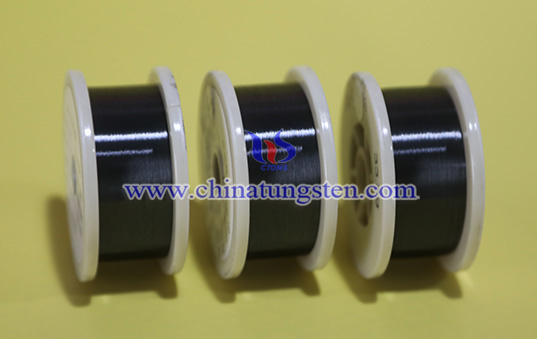
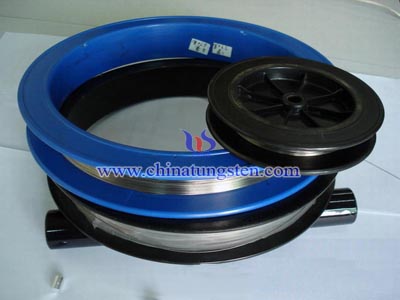
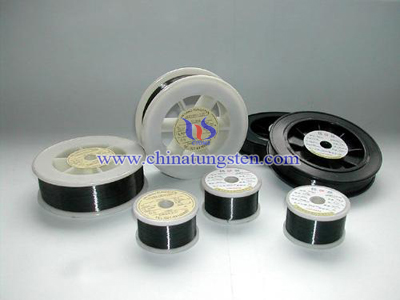
CTIA systematically summarizes common defects and solutions in tungsten wire manufacturing and application. Tungsten wire features an extremely high melting point and density, maintaining stable performance under high temperature, electrical load, and vacuum conditions. However, structural, surface, and performance-related defects may still occur during processing, storage, and use due to stress, environment, and handling factors.
1.Fracture of Tungsten Wire and Solutions
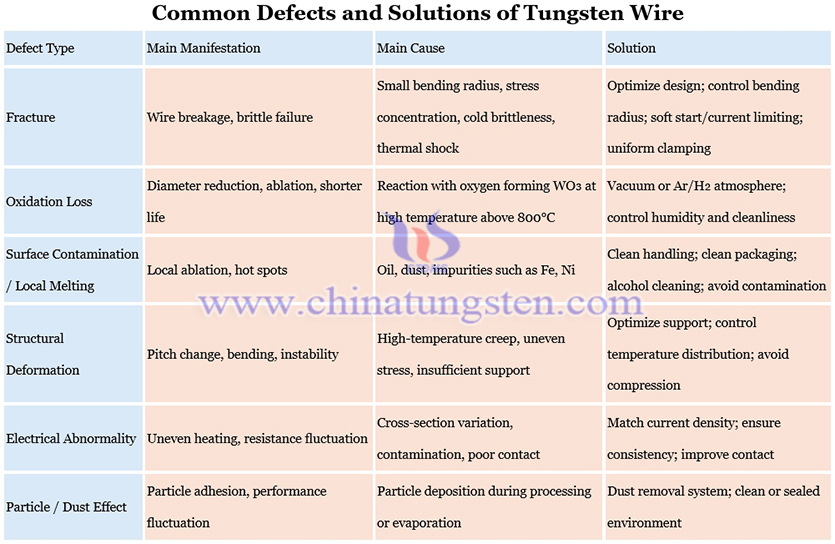
Fracture is a common defect in tungsten wire, mainly caused by stress concentration, low-temperature brittleness, and thermal shock. Tungsten wire, with limited ductility at room temperature, is prone to microcrack initiation and propagation under small bending radius or impact load. Operation conditions, especially cold start, can result in high inrush current due to low resistance, leading to rapid local temperature rise and thermal stress-induced fracture. CTIA mitigates fracture risk through optimized structural design, controlled bending radius, soft-start or current-limiting operation, and uniform clamping instead of point contact.
2.Oxidation Loss of Tungsten Wire and Solutions
Tungsten reacts with oxygen to form tungsten oxide (WO₃) at high temperatures. When temperature exceeds ~800°C, oxidation accelerates with volatilization loss. Long-term exposure to air leads to thinning and eventual breakage. CTIA recommends vacuum or inert gas (Ar, H₂) environments to reduce oxygen partial pressure, while humidity and cleanliness control during storage further minimize initial oxidation.
3.Surface Contamination & Local Melting of Tungsten Wire and Solutions
Contaminants such as oil, dust, or metals (Fe, Ni) can form low-melting regions at high temperature, leading to local melting or uneven ablation. It is especially critical in vacuum evaporation and electron emission applications. CTIA suggests clean handling, clean packaging, separate storage, and cleaning with anhydrous alcohol when necessary.
4.Structural Deformation of Tungsten Wire and Solutions
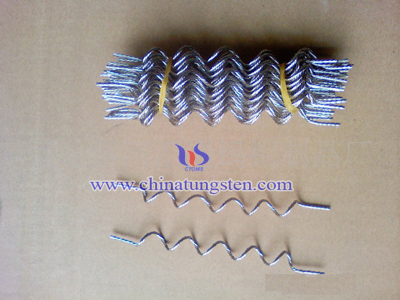
Tungsten wire may experience creep deformation or instability under high temperature or external force, such as coil pitch change or bending, typically caused by uneven temperature distribution or improper support. CTIA emphasizes optimized support design, uniform stress distribution, controlled operating temperature, and avoiding compression during storage and transport.
5.Electrical Abnormalities & Uneven Heating of Tungsten Wire and Solutions
Abnormal resistance or uneven heating may result from cross-section variation, contamination, or structural inconsistency, leading to local overheating and accelerated degradation. CTIA recommends proper electrical parameter matching, current density control, structural consistency, and good electrical contact to ensure uniform current distribution.
6.Dust & Particle Issues of Tungsten Wire and Solutions
Tungsten particle formation during processing or high-temperature evaporation may lead to redeposition on the wire surface, affecting local electric field and temperature distribution. CTIA recommendation includes ventilation or dust removal systems and clean or sealed environments for high-purity applications.
CTIA, through defect analysis and control in manufacturing and customer service, has developed a systematic solution framework. By optimizing structural design, controlling the operating environment, and standardizing procedures, defects such as fracture, oxidation, and contamination can be effectively reduced, improving stability and service life in high-temperature and precision applications.
For any inquiry, please contact tungsten wire manufacturer: CTIA GROUP
Email: sales@chinatungsten.com
Tel: 0086 592 5129696 / 0086 592 5129595
Website: www.tungsten.com.cn
WeChat:

Related Products: