Lighting Tungsten Wire
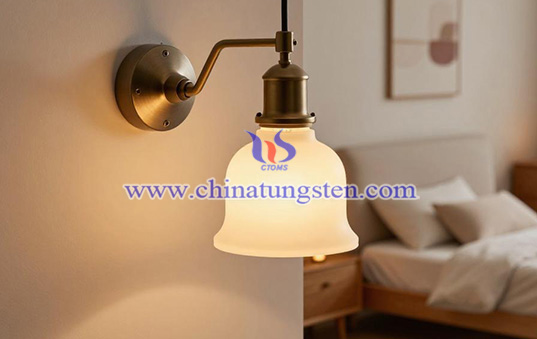
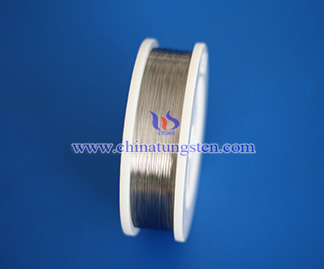
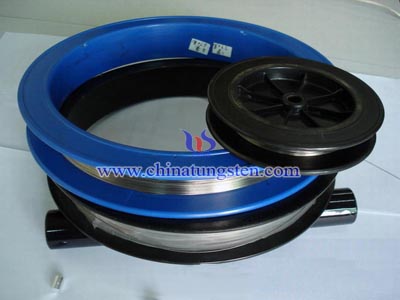
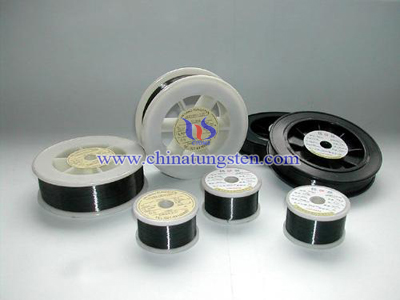
CTIA's lighting tungsten wire refers to tungsten wire used in the lighting industry. The application of tungsten wire in lighting originates from the early development of electric light sources, during which filament materials were continuously replaced and optimized. Early incandescent lamps used carbon filaments, which emitted light through high-temperature thermal radiation, but carbon tended to sublimate at high temperatures, resulting in rapid consumption and limited service life. With advancements in manufacturing technology, tungsten was gradually introduced into lighting and replaced carbon after the commercialization of tungsten filament lamps, becoming the dominant filament material. Since then, both conventional incandescent lamps and later-developed halogen lamps have continued to use tungsten wire as the light-emitting element.
A filament must rapidly heat up to over 2000°C when energized, operate continuously at this temperature, maintain its shape, and avoid excessive consumption. Few materials can meet this combination of requirements, while tungsten possesses these characteristics.
Tungsten has a melting point of approximately 3422°C, which is among the highest for metals. Filament operating temperatures are typically in the range of 2200–2800°C and can be even higher in halogen lamps. Under such conditions, the material must remain solid and withstand its own weight and thermal stress, which tungsten can achieve.
Materials gradually evaporate and become thinner at high temperatures. Tungsten exhibits a relatively low evaporation rate in the range of 2500–3000 K, preventing rapid material loss and enabling a longer service life. If evaporation occurs too quickly, the filament may still emit light but cannot operate for extended periods.
Light emission relies on resistive heating. Tungsten’s resistivity changes continuously with temperature, allowing a stable heating process when energized. This contributes to uniform light emission and facilitates control of power and brightness in lighting devices.
However, these properties alone are not sufficient for long-term use. At high temperatures, tungsten undergoes structural changes such as grain growth and softening, which may lead to sagging or deformation. Trace elements such as K, Al, and Si are typically introduced during production to address this issue. During processing, these elements form potassium bubble rows aligned along the drawing direction, which restrict grain boundary movement and maintain a fibrous grain structure. This helps delay deformation at high temperatures and is a key difference between lighting tungsten wire and pure tungsten wire.
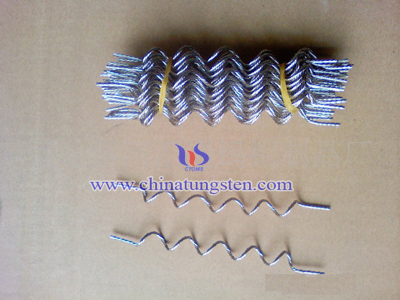
CTIA's tungsten wire in lamps is usually not used in a straight form but is coiled into a spiral structure, and often further into a coiled-coil configuration. Coiling increases the effective length, resulting in higher resistance within the same space and reducing heat conduction to support points, thereby concentrating the luminous area. Parameters such as wire diameter, coil diameter, and pitch directly affect temperature distribution and light emission characteristics.
The long-term use of lighting tungsten wire is due to the combination of stable thermal radiation emission at high temperatures, mechanical strength, low evaporation loss, and the ability to control microstructure and performance through processing. Based on these characteristics, continuous optimization of doping, microstructure, and structural design allows tungsten wire to meet the requirements of various lighting applications, including incandescent lamps, halogen lamps, infrared heating lamps, automotive lighting, projection lamps, and stage lighting.
For any inquiry, please contact tungsten wire manufacturer: CTIA GROUP
Email: sales@chinatungsten.com
Tel: 0086 592 5129696 / 0086 592 5129595
Website: www.tungsten.com.cn
WeChat:

Related Products: