Usage Precautions of Tungsten Wire
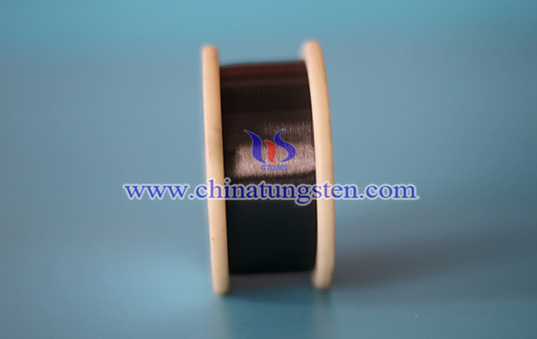
Tungsten wire, a high-melting-point material, offers stable resistance and strong high-temperature strength, widely used in heating, vacuum evaporation, and electron emission. Based on CTIA experience, key precautions focus on mechanical behavior, thermal conditions, electrical load, and surface control to ensure performance and service life. The following provides a systematic overview from mechanical, thermal, electrical, surface, safety, and storage perspectives.
1.Mechanical Properties and Handling Control of Tungsten Wire
Tungsten wire is brittle at room temperature, with elongation typically below 5% and limited impact resistance. Fine tungsten wire with a diameter of 0.02–0.10 mm is susceptible to microcracks under bending or localized stress, which may propagate and cause fracture during service. Repeated bending, sudden stretching, and point-contact clamping should be avoided. A minimum bending radius of 5–10 times the wire diameter is recommended to reduce stress concentration.
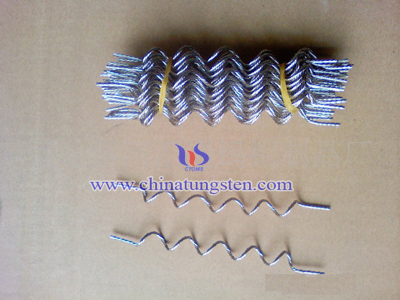
For helical, U-shaped, and other formed structures, original geometric parameters such as pitch, coil diameter, and bending angle should be maintained. CTIA experience shows that structural deviation affects resistance distribution and heating uniformity, potentially leading to local overheating or reduced service life. Dedicated fixtures or support structures are recommended during assembly to ensure uniform stress distribution.
2.High-Temperature Environment and Oxidation Control of Tungsten Wire
Tungsten maintains good strength stability at high temperatures but has limited oxidation resistance. In air, noticeable oxidation begins at approximately 400–500°C, forming tungsten oxide (WO₃), which is volatile at elevated temperatures and leads to material loss. Above 800°C, oxidation accelerates significantly.
Therefore, high-temperature applications typically require vacuum or protective atmospheres. Under vacuum conditions of 10⁻³ Pa or lower, or in inert/reducing gases such as argon (Ar) or hydrogen (H₂), oxygen partial pressure can be reduced, slowing oxidation. CTIA recommends maintaining a stable vacuum or protective atmosphere to ensure long-term stability in applications such as evaporation coating.
3.Electrical Parameters and Load Matching of Tungsten Wire
The resistivity of tungsten wire at 20°C is approximately 5.6×10⁻⁸ Ω·m and increases with temperature, showing a positive temperature coefficient. Current density directly determines operating temperature and service life. A typical recommended range is 10–20 A/mm², depending on wire diameter, length, and heat dissipation conditions.
Low resistance may cause a surge current during cold start, leading to thermal shock or local overheating. CTIA recommends current limiting or soft-start methods to prevent sudden current spikes. Stable power supply output is also essential to minimize temperature fluctuations caused by voltage variation.
4.Surface Condition and Contamination Control of Tungsten Wire
Tungsten wire surfaces are sensitive to contamination. Oil, dust, or foreign metals such as Fe and Ni may form low-melting reaction zones at high temperatures, leading to localized melting or failure. Contamination can also affect emission stability or film purity in vacuum electronics or semiconductor applications.
Based on CTIA’s quality control experience, the surface should be kept clean during use. Operators are advised to wear clean gloves and avoid direct contact. If necessary, cleaning with alcohol or other organic solvents is recommended. Stricter contamination control throughout the process is required for high-cleanliness applications.
5.Dust Control and Safety Protection of Tungsten Wire
Tungsten dust or fumes may be generated during cutting, grinding, or high-temperature evaporation. Fine particles may remain airborne and, with prolonged inhalation, may cause respiratory irritation or deposition effects. At high concentrations, metal dust may also present explosion risks.
CTIA processing and application experience indicates that local exhaust ventilation or dust collection systems should be installed, with enclosed operation recommended when necessary. Dust masks and protective goggles should be worn by operators to reduce exposure, and dust accumulation in confined spaces should be avoided.
6.Storage and Handling of Tungsten Wire
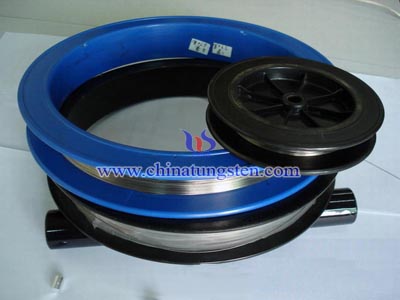
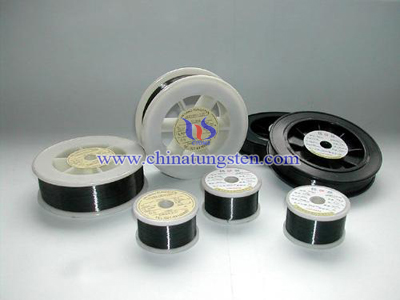
Tungsten wire should be stored in a dry and clean environment to avoid moisture and corrosive gases. Although tungsten is not easily corroded by water, humid conditions may introduce oxidation during initial heating. Coiled tungsten wire should remain on intact spools to prevent loosening or tangling, while straight and shaped wire should not be stacked under pressure to avoid deformation.
Unnecessary repeated operations should be minimized to reduce contamination and mechanical damage during handling. For long-term storage, condition inspection before use is recommended to ensure stable performance.
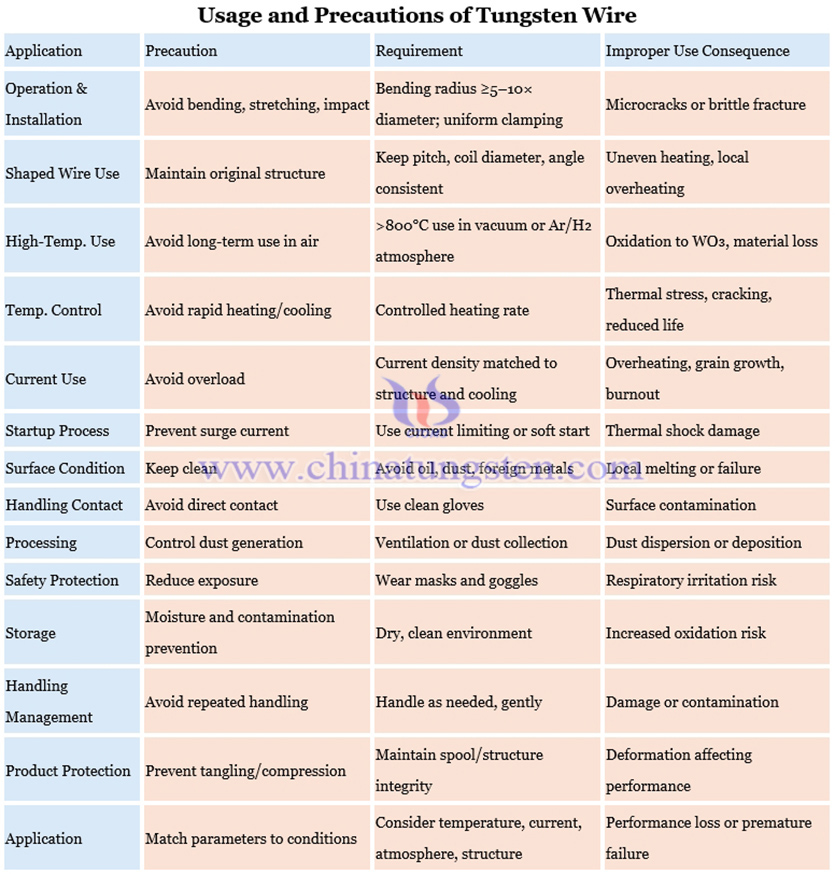
CTIA's tungsten wire performance depends on the match between material properties and application conditions. Proper control of mechanical stress, atmosphere, electrical parameters, and surface condition reduces failure risk, extends service life, and ensures stable performance in high-temperature and precision applications.
For any inquiry, please contact tungsten wire manufacturer: CTIA GROUP
Email: sales@chinatungsten.com
Tel: 0086 592 5129696 / 0086 592 5129595
Website: www.tungsten.com.cn
WeChat:

Related Products: